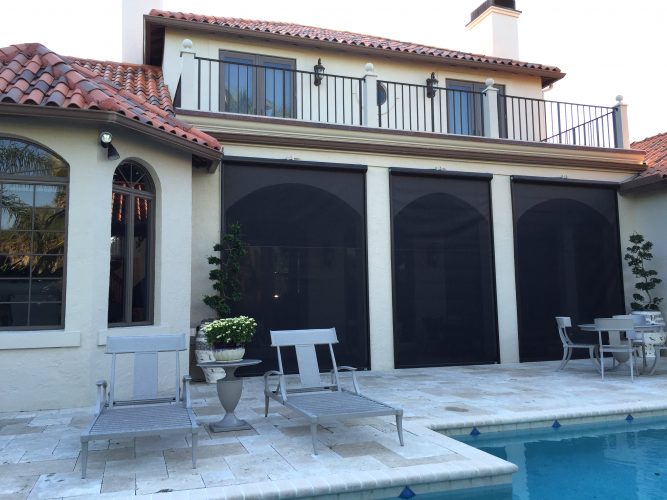
Why Choosing the Right Screen Matters
South Florida homeowners know that outdoor comfort and indoor efficiency go hand in hand. With year-round sun, high temperatures, and humid conditions, windows and patios require protection that fits both lifestyle and climate. Screens serve more than one purpose. They block insects, reduce heat, provide privacy, and protect interiors from UV damage. The two most common types of screens are solar screens and insect screens, each designed to meet specific needs.
Selecting the right screen affects comfort, energy efficiency, and longevity of both indoor and outdoor spaces. A screen that blocks insects but lets in full sunlight might not reduce heat effectively. A screen designed to reduce solar gain could limit airflow or visibility if not chosen carefully. Understanding the key differences ensures homeowners choose a solution that maximizes their investment and enhances South Florida outdoor living.
What Are Solar Screens
Solar screens are made from tightly woven, durable mesh designed to block sunlight and reduce heat entering the home. Unlike traditional insect screens, they are built to provide significant UV protection, preventing furniture and flooring from fading and lowering indoor cooling costs.
These screens are typically installed on windows, doors, and patios. In South Florida, where the sun’s intensity can make indoor spaces uncomfortably warm, solar screens can reduce solar heat gain by up to seventy percent depending on fabric type and color. Homeowners often pair solar screens with air conditioning systems to improve energy efficiency, making them an essential investment for comfort and cost savings.
Solar screens also offer privacy benefits. From the outside, they reduce visibility into the home during daylight hours without significantly affecting outward visibility. This makes them ideal for homes with patios, pool areas, or windows facing streets or neighbors.
Materials used for solar screens, such as fiberglass or vinyl-coated polyester, are resistant to corrosion, fading, and stretching. High-quality brands like Sunbrella, Phifer, or Phifer SunTex ensure long-term durability even in South Florida’s humid, salty coastal environment.
What Are Insect Screens
Insect screens, sometimes called bug screens, focus primarily on keeping pests out while allowing maximum airflow and natural light. They are made from lightweight, open-weave mesh that blocks mosquitoes, flies, and other insects without reducing visibility.
These screens are widely used on lanais, patio enclosures, and window openings. Unlike solar screens, they do not provide significant heat or UV reduction. Homeowners choose insect screens when the primary concern is pest protection rather than energy efficiency.
Materials for insect screens include fiberglass and aluminum mesh. Fiberglass is flexible and easy to install, while aluminum offers strength and longevity. Many insect screens can be installed in retractable or removable frames, allowing seasonal adjustments or easy cleaning.
Comparing Solar Screens and Insect Screens
When deciding between solar and insect screens, consider the priorities for your home. Solar screens are ideal for energy efficiency, UV protection, and privacy. They can make indoor spaces cooler and protect furniture from sun damage. Insect screens are best when the main goal is keeping pests out while maintaining airflow and visibility.
In some cases, homeowners combine both types. Solar screens can provide moderate insect protection, and some insect screens can be coated to slightly reduce solar gain. The choice depends on your climate, orientation of your windows, outdoor living habits, and lifestyle preferences.
Benefits of Solar Screens
Solar screens reduce indoor heat and glare, which improves comfort and lowers air conditioning usage. This is a significant advantage in South Florida where cooling costs are high. They protect furniture, flooring, and artwork from sun fading, extending the life of home interiors. Solar screens can also reduce glare on TVs and monitors, creating a more enjoyable indoor environment.
From an outdoor perspective, solar screens help maintain a shaded patio or lanai without completely blocking views or airflow. They allow homeowners to enjoy the outdoors without excessive sun exposure, making poolside lounging, dining, and entertaining more comfortable.
Benefits of Insect Screens
Insect screens provide peace of mind for families and pet owners. By keeping mosquitoes and other pests out, they reduce the risk of bites and vector-borne diseases. They also protect outdoor spaces from leaves, debris, and small animals, maintaining cleanliness in lanais and patios.
Insect screens are lightweight, cost-effective, and simple to install and replace. Their open weave allows maximum airflow and visibility, making them ideal for spaces where natural ventilation is important. Homeowners who prioritize fresh air and pest protection often find insect screens to be the perfect solution.
Installation Considerations
Professional installation is recommended for both solar and insect screens to ensure proper fit and long-term performance. Solar screens, especially larger panels, require precise alignment to maximize heat reduction and minimize gaps. Insect screens should be tightly fitted to prevent insects from entering, and frames must be secure to withstand wind and use.
Some homeowners opt for retractable systems for convenience, allowing screens to be rolled up when not needed. These retractable options can combine functionality with aesthetics, keeping outdoor living spaces adaptable for different seasons and activities.
Maintenance and Longevity
Solar screens and insect screens are both low-maintenance but benefit from periodic cleaning. Rinse solar screens with a gentle hose or wipe with a mild soap solution to remove dust, pollen, and salt residue. Insect screens can be brushed or vacuumed to remove debris, and frames should be checked for corrosion or damage.
Proper maintenance ensures screens continue to block heat, UV rays, or pests effectively. In South Florida’s humid and salty environment, neglecting cleaning can reduce performance and shorten lifespan. Quality materials and professional installation further enhance durability.
Frequently Asked Questions
Can solar screens block all the sun?
Solar screens significantly reduce heat and UV rays but do not block all sunlight. They provide enough shading to cool interiors and protect furnishings while maintaining outward visibility.
Do insect screens reduce airflow?
No. Insect screens are designed to allow maximum airflow while preventing pests from entering. This makes them ideal for lanais, patios, and windows that benefit from natural ventilation.
Can I combine solar and insect screens?
Yes. Some homeowners use solar screens for sun and energy reduction while adding insect screens for pest protection. Retractable or layered systems can allow flexibility based on season and daily needs.
How do I clean solar and insect screens?
Solar screens should be rinsed and gently scrubbed with mild soap periodically. Insect screens can be brushed or vacuumed to remove debris. Frames should be wiped and inspected for corrosion or wear.
Which is better for energy savings?
Solar screens are superior for energy efficiency due to UV and heat reduction. Insect screens primarily protect against pests and do not significantly reduce solar heat gain.
Are these screens durable in coastal Florida?
Yes. High-quality solar and insect screens are designed to resist UV damage, humidity, and salt air. Regular maintenance enhances longevity.
Making the Right Choice
Choosing between solar screens and insect screens depends on your priorities. Solar screens are best for energy efficiency, UV protection, and privacy, while insect screens focus on pest control and ventilation. Many South Florida homeowners benefit from combining the two to maximize comfort, protection, and usability of patios and lanais.
By investing in professional installation, high-quality materials, and routine maintenance, homeowners can enjoy outdoor living spaces comfortably and safely year-round. Whether your goal is reducing heat indoors, keeping bugs out, or both, choosing the right screen enhances lifestyle and home value.
Transform your outdoor space with Awning Stars, contact us today for your free estimate.